
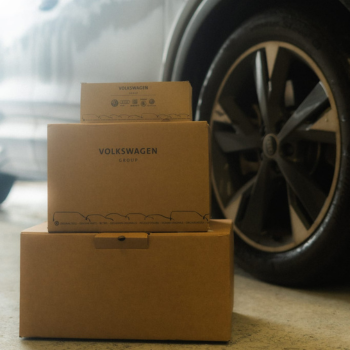
Should I use OEM (genuine) or aftermarket parts?
In the context of accident repair, choosing between Genuine OEM and Aftermarket body panels is a critical decision that affects the fit, finish, durability, cost, and warranty of the repair. These two types of panels serve the same purpose—replacing damaged parts like fenders, bumpers, bonnets, or doors—but differ significantly in origin and quality.
Genuine OEM Body Panels
OEM stands for Original Equipment Manufacturer. Genuine OEM panels are produced either by the vehicle manufacturer or by a certified supplier on their behalf. These parts are identical to those used when the vehicle was originally built, designed to match exact specifications in terms of fit, material, gauge (thickness), and corrosion protection.
Because they are made to manufacturer standards, OEM panels generally offer:
- Perfect fitment with little to no modification required
- Consistent quality and finish
- Pre-applied coatings or primers that meet factory specifications
- Better long-term durability and corrosion resistance
In most cases, OEM parts are more expensive due to their quality, brand name, and manufacturing standards. However, they often come with a warranty from the vehicle manufacturer, and using them may help maintain the vehicle’s resale value and warranty coverage—especially for newer or high-value vehicles.
Aftermarket Body Panels
Aftermarket panels are produced by third-party manufacturers not affiliated with the vehicle’s original maker. These panels are often designed to be compatible with the original parts but may differ slightly in dimensions, materials, or quality control.
While some aftermarket manufacturers produce high-quality replicas, others may cut costs by using thinner metal, inferior coatings, or looser tolerances. This can lead to issues such as:
- Poor fitment (requiring extra trimming, bending, or adjustment)
- Surface imperfections or inconsistent panel gaps
- Reduced corrosion resistance and lifespan
- Potential difficulty in colour-matching during paintwork
The primary advantage of aftermarket panels is cost. They can be significantly cheaper than OEM parts, making them attractive for older vehicles, budget repairs, or insurance-approved jobs where cost control is key.
Choosing Between OEM and Aftermarket Panels
The decision often comes down to budget, vehicle age, and repair expectations:
- For high-end or newer vehicles, OEM panels are often the best choice to maintain value and ensure perfect results.
- For older cars or repairs where cost is a priority, quality aftermarket panels can be acceptable—provided they come from reputable manufacturers.
The main difference between genuine OEM and aftermarket body panels lies in their origin, quality, and price. OEM panels guarantee fit and finish but come at a premium, while aftermarket panels offer affordability with potential trade-offs. In professional accident repair, selecting the right type of panel is crucial for balancing quality, cost, and customer satisfaction. In the vast majority of cases, we at Allied Automotive prefer to use OEM parts. In the context of insurance repairs, we will only use OEM. There are a few scenarios where private paying jobs might opt for aftermarket parts, but we always strongly recommend OEM.
Thank you for reading our latest blog, Case Study Noble M12.
Allied Automotive
